
Best Protein Sources for Vegetarians: A Complete Guide
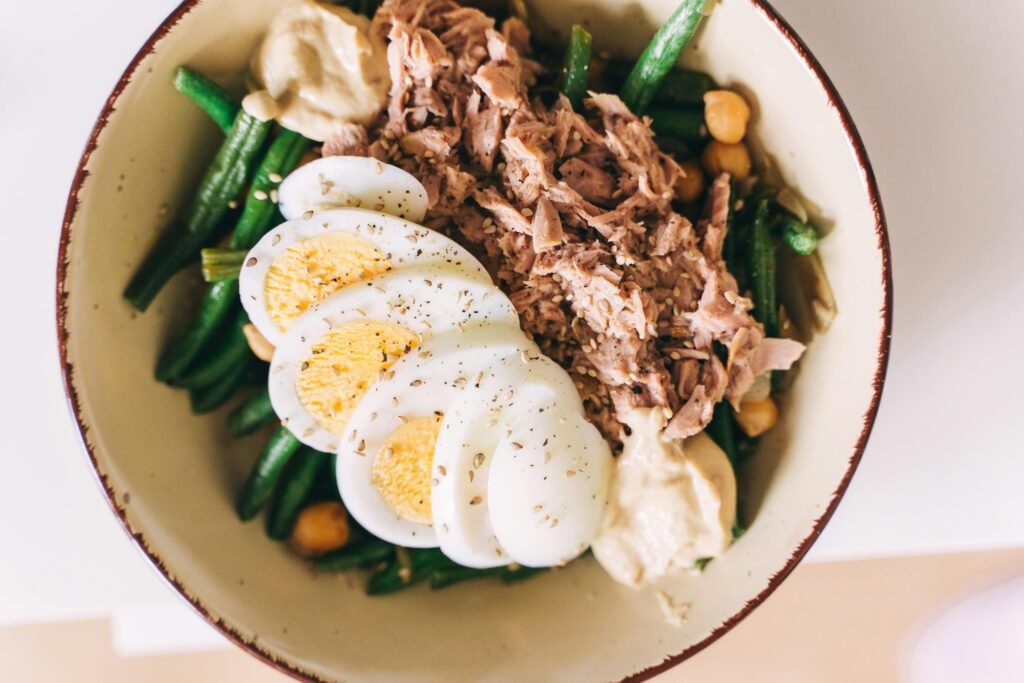
Protein is an essential macronutrient that plays a crucial role in building muscles, repairing tissues, supporting immunity, and maintaining overall health. While many people associate primarily with meat, vegetarians have a wide variety of rich and nutritious protein sources available. With the right choices, a vegetarian diet can easily meet daily requirements without compromise.
In this guide, we’ll explore the best sources for vegetarians, along with their benefits and practical ways to include them in your daily meals.
Why Protein Matters
Protein is made up of amino acids, often referred to as the building blocks of life. These amino acids help in:
- Muscle growth and repair
- Hormone production
- Enzyme function
- Immune system support
Vegetarians need to pay a bit more attention to their diet to ensure they’re getting enough complete (proteins containing all essential amino acids), but it’s absolutely achievable with proper planning.
1. Lentils (Dal)
Lentils are one of the most affordable and accessible sources for vegetarians, especially in Indian diets.
- Protein content: حوالي 18 grams per cooked cup
- Benefits: Rich in fiber, iron, and folate
Lentils are incredibly versatile. You can enjoy them as dal, soups, curries, or even add them to salads. They also support digestion due to their high fiber content.
2. Chickpeas (Chana)
Chickpeas are another excellent plant-based source.
- Protein content: حوالي 15 grams per cooked cup
- Benefits: High in fiber, supports heart health
They can be used in dishes like chole, hummus, salads, or roasted as a crunchy snack. Chickpeas also help keep you full for longer, making them great for weight management.
3. Paneer (Cottage Cheese)
Paneer is a favorite among vegetarians, especially in India.
- Protein content: حوالي 18–20 grams per 100 grams
- Benefits: High in calcium, supports bone health
It’s a complete , meaning it contains all essential amino acids. Paneer can be used in a variety of dishes like curries, grilled preparations, or even as a snack.
4. Greek Yogurt (or Curd)
Dairy products are excellent protein sources for vegetarians.
- Protein content: حوالي 10 grams per 100 grams
- Benefits: Contains probiotics for gut health
Greek yogurt is thicker and richer in compared to regular curd. It can be eaten plain, blended into smoothies, or used as a base for dips.
5. Soy Products (Tofu, Soybeans, Tempeh)
Soy is one of the best plant-based complete s available.
- content:
- Tofu: ~10 grams per 100 grams
- Soybeans: ~28 grams per cooked cup
Soy products are extremely versatile. Tofu can be stir-fried, grilled, or added to curries. Tempeh has a firmer texture and nutty flavor, making it a great meat substitute.
6. Quinoa
Quinoa is often called a “superfood” due to its nutritional profile.
- Protein content: حوالي 8 grams per cooked cup
- Benefits: Complete, gluten-free
Unlike most grains, quinoa contains all nine essential amino acids. It’s a great alternative to rice and can be used in salads, bowls, or as a side dish.
7. Nuts and Seeds
Nuts and seeds are -rich and packed with healthy fats.
- Examples: Almonds, peanuts, chia seeds, flaxseeds, pumpkin seeds
- Protein content: حوالي 5–7 grams per serving
They make excellent snacks and can be added to smoothies, oatmeal, or salads. Peanut butter is also a convenient and tasty way to boost intake.
8. Whole Grains
Whole grains provide moderate amounts of along with fiber and essential nutrients.
- Examples: Brown rice, oats, whole wheat, barley
- Protein content: حوالي 5–7 grams per serving
While grains are not complete combining them with legumes (like rice and dal) creates a complete amino acid profile
9. Green Peas
Green peas are often overlooked but are surprisingly rich in .
- content: حوالي 9 grams per cooked cup
- Benefits: High in fiber and vitamins
They can be added to curries, pulao, or even blended into soups.
10. Edamame
Edamame (young soybeans) is a powerhouse.
- content: حوالي 17 grams per cup
- Benefits: Rich in antioxidants and fiber
They can be boiled and lightly salted for a healthy snack or added to salads and stir-fries.
Final Thoughts
Being vegetarian does not mean compromising on . With a variety of plant-based and dairy options available, meeting your needs is not only possible but also enjoyable. The key lies in understanding differentsources, combining them effectively, and maintaining a balanced diet.
By incorporating foods like lentils, chickpeas, paneer, soy products, and whole grains into your daily meals, you can ensure optimal health and nutrition. Whether your goal is muscle building, weight loss, or overall wellness, a well-planned vegetarian diet can fully support your journey. Follow Us On Instagram